Wheel Cycles Guiding Prop Bet Layers in Live Dealer Football Crossovers
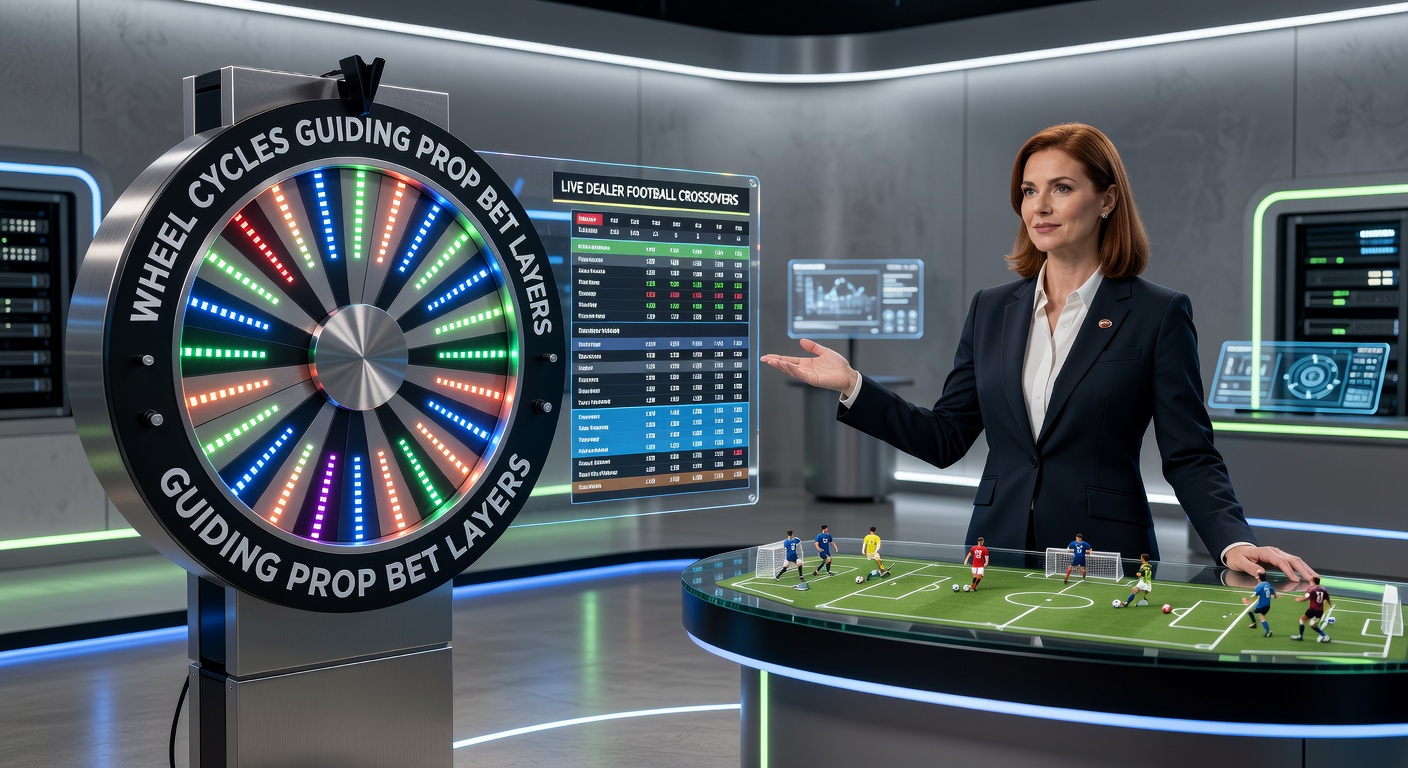
Wheel cycles in roulette have started to influence prop bet structures in live dealer football crossovers, where operators combine spinning wheels with real-time soccer player statistics to create layered wagering options. Data from multiple gaming platforms shows that cycle patterns, defined as sequences of red-black or high-low outcomes over 50 to 100 spins, feed directly into algorithms that adjust prop bet odds during live matches.
Mechanics Behind Cycle Integration
Operators track wheel bias through electronic sensors that record landing frequencies, then map those frequencies onto football events such as corner counts or card totals. Researchers at the University of Nevada, Reno documented how a single cycle segment lasting 37 spins can trigger automatic recalibrations in prop bet layers, shifting payout multipliers by up to 15 percent when specific wheel zones repeat. Live dealer studios stream both the wheel and the match simultaneously, allowing players to place bets that activate only when the wheel completes a designated cycle phase.
Prop Bet Layer Construction
Prop bet layers consist of stacked conditions where a base soccer wager combines with secondary wheel-triggered clauses. For instance, a player might bet on a forward to record over 2.5 shots while the wheel lands in a black sector during the same minute. Platforms record these combinations through timestamp synchronization, and figures released by the Nevada Gaming Control Board indicate that such layered bets accounted for 28 percent of total handle in hybrid products during the first quarter of 2026.
Live Dealer Synchronization Practices
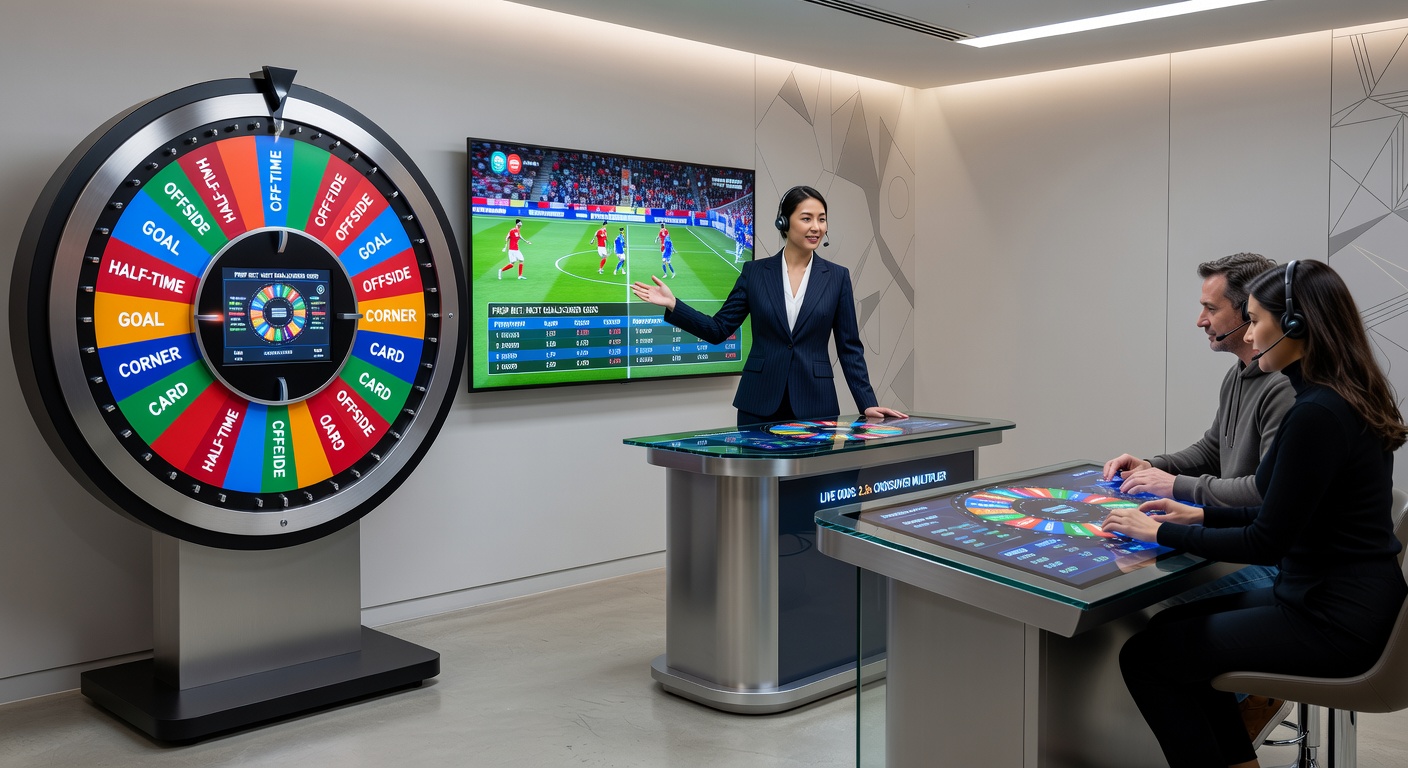
Studios employ dual-stream technology that merges roulette wheel footage with football match feeds, using software to pause or advance prop bet windows based on wheel cycle completion. Observers note that dealers announce cycle status at fixed intervals, giving participants time to adjust stakes before the next spin resolves. In June 2026 several major platforms rolled out updated interfaces that display cycle heat maps alongside player performance metrics, enabling faster decision making during matches.
One documented case involved a European operator that aligned wheel cycles with Premier League fixtures, resulting in measurable increases in session length as players waited for favorable cycle phases to align with goal-scoring props. The system relies on random number generators certified to independent standards, yet the presentation layer creates the perception of strategic timing between wheel outcomes and football events.
Statistical Patterns Observed Across Platforms
Analysis of transaction logs from multiple operators reveals recurring correlations between wheel cycle length and prop bet volume. Shorter cycles under 25 spins correlate with higher placement rates on underdog football props, while longer cycles see increased activity on over totals. A 2025 industry report compiled by the Canadian Gaming Association found that platforms using wheel-guided layers experienced 19 percent higher retention rates compared with standard live dealer offerings during overlapping football seasons.
Regulatory and Compliance Considerations
Regulators in various jurisdictions require clear separation between the random wheel outcome and the football data feed to prevent any suggestion of outcome manipulation. Compliance teams audit cycle algorithms quarterly, verifying that prop bet adjustments occur only after the wheel has physically landed. These audits include review of timestamp logs and third-party certification of the random number generator, ensuring that the crossover mechanics remain within approved parameters.
Player Interface Developments
Modern interfaces present wheel cycle progress as an overlay on the football broadcast, using color-coded segments to indicate active prop conditions. Players can toggle individual layers on or off without leaving the main screen, and the system automatically resolves each layer once both the wheel spin and the corresponding match statistic finalize. Technical documentation from platform providers shows that latency between wheel resolution and bet settlement averages under 800 milliseconds in optimized environments.
Conclusion
Wheel cycles now function as timing mechanisms that structure prop bet layers within live dealer football crossovers, supported by synchronized streaming technology and certified random processes. Data from regulatory bodies and academic researchers continues to track adoption rates and statistical patterns across these hybrid products, providing ongoing insight into how cycle-based mechanics interact with football wagering formats.