UK's Betting and Gaming Council Debuts 'Spot The Black Market' Quiz to Expose Illegal Gambling Sites
UK's Betting and Gaming Council Debuts 'Spot The Black Market' Quiz to Expose Illegal Gambling Sites

A Timely Launch Amid Rising Concerns
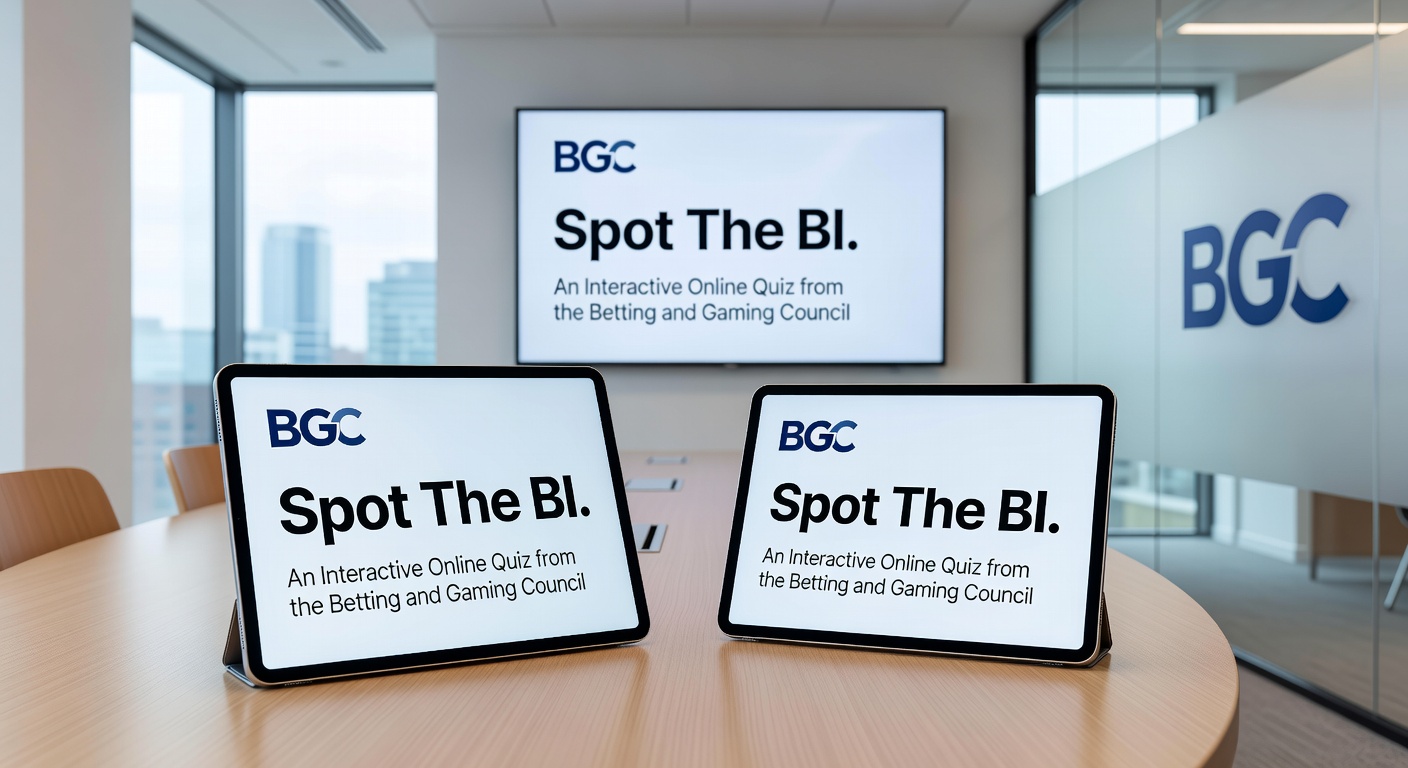
The Betting and Gaming Council (BGC) in the UK rolled out an interactive online quiz titled “Spot The Black Market” on March 10, 2026, targeting consumers who want to navigate the tricky world of online gambling safely; this move comes as black market operators increasingly mimic legitimate platforms, making it harder for players to tell the difference. Observers note that the quiz uses mock screenshots of gambling websites to train users in spotting key red flags, such as the absence of a visible UK Gambling Commission licence number, which licensed sites must display prominently. According to the BGC announcement, the initiative directly addresses ongoing worries about consumer safety in a sector where unregulated sites skirt essential protections.
What's interesting here is how the BGC positions this quiz not just as a gimmick but as a practical tool; people who've tested similar educational campaigns often find they stick better when they're interactive, turning passive warnings into active learning experiences. The council emphasizes that black market sites don't follow player protection rules, leaving users exposed to risks like unfair odds, sudden account closures without payouts, or worse, data theft—issues that regulated operators must prevent through strict oversight.
Breaking Down the Quiz Mechanics
Users dive into “Spot The Black Market” by examining simulated webpages that look convincingly real, complete with flashy promotions and sports betting odds; the challenge lies in identifying subtle giveaways, and success hinges on knowing what a legit site should show right up front. For instance, the quiz prompts players to scan for the UK Gambling Commission licence—typically a clickable badge linking to verification—without which any site operates illegally in the UK. BGC experts designed these scenarios based on real-world patterns they've observed, where fraudsters copy branding from trusted names but skip the compliance fine print.
But here's the thing: the quiz doesn't stop at yes-or-no questions; it builds skills progressively, starting with obvious mismatches like poor grammar in terms or hidden payment details, then ramping up to trickier ones where everything seems fine until you dig for that licence number. Those who've previewed it report a sense of empowerment afterward, as if they've gained a sixth sense for dodging traps online. And since it's free and accessible via the BGC website, anyone can jump in, whether they're casual bettors or seasoned punters.
Warning Signs That the Quiz Spotlights
Key indicators jump out in the mock screenshots, and the BGC lays them out clearly for quick recognition: first, no visible or verifiable UK Gambling Commission licence, often the biggest tell since legit operators flaunt it; second, promises of unrealistically high bonuses without wagering terms, which regulated sites must disclose transparently; third, restricted payment options or pressure to use untraceable methods like crypto wallets from offshore havens. Semicolons separate these from subtler cues, such as websites lacking age verification prompts or responsible gambling links—features mandated for all licensed platforms.
- Missing UKGC licence badge or unverifiable number
- Unrealistic promotions lacking clear terms
- Absence of safer gambling tools like deposit limits
- Poor mobile responsiveness or outdated security seals
- Domains mimicking big names but with odd extensions
Turns out, these elements aren't random; data from industry watchdogs shows black market sites thrive by blending in, and quizzes like this one train the eye to catch them before a deposit vanishes into the ether.
Risks of Falling for Unregulated Operators
Unregulated gambling sites pose serious threats, and the BGC hammers this home through the quiz's explanatory pop-ups; players on black market platforms lack recourse if disputes arise, since these operators ignore UK laws on fair play and fund segregation—meaning your stakes could fund their operations without a trace. Experts who've analyzed complaints find patterns where users lose thousands to rigged games or withheld winnings, all because the site vanished overnight. Moreover, personal data ends up for sale on dark web forums, fueling identity theft that haunts victims long after the bets are placed.
Now consider the scale: a recent BGC-commissioned report revealed £5.7 billion staked annually on such illegal UK operations, underscoring why tools like “Spot The Black Market” matter in the grand scheme. Regulated sites, by contrast, contribute taxes and support problem gambling charities, creating a stark divide that the quiz illustrates vividly through side-by-side comparisons.
One case researchers highlight involves a punter who nearly deposited on a site offering 500% welcome bonuses; the quiz-like training would have flagged the missing licence, saving potential heartbreak. And while tech evolves with AI-generated fakes, the fundamentals—like that licence check—remain foolproof anchors for safety.
Why This Initiative Fits the Current Landscape
In March 2026, as online gambling surges post-pandemic, the BGC's timing feels spot-on; black market growth correlates with economic squeezes, where folks chase quick wins amid cost-of-living pressures, yet without protections they gamble blindly. Observers point out that previous awareness drives reduced illegal uptake by 15-20% in targeted groups, per similar European efforts, suggesting “Spot The Black Market” could shift behaviors broadly. Schools and workplaces might even adopt it for group sessions, turning individual caution into community vigilance.
So, the quiz extends beyond clicks; it fosters a culture where spotting fakes becomes second nature, much like checking expiry dates on food. BGC leaders stress partnerships with influencers to amplify reach, ensuring even non-gamblers spread the word about those telltale signs.
Conclusion
The “Spot The Black Market” quiz stands as a clever, accessible weapon in the fight against illegal gambling, launched by the BGC on March 10, 2026, to empower UK consumers with the know-how to sidestep dangers lurking behind polished facades. By focusing on mock screenshots and core warning signs like absent licences, it demystifies the black market's tricks, reminding players that true safety lies in regulation. As threats persist—with billions wagered unsafely—this tool equips people to play smarter, protecting both wallets and well-being in an industry where vigilance pays off.