Matching Welcome Bonuses to Slot Volatility and Football Accumulator Dynamics
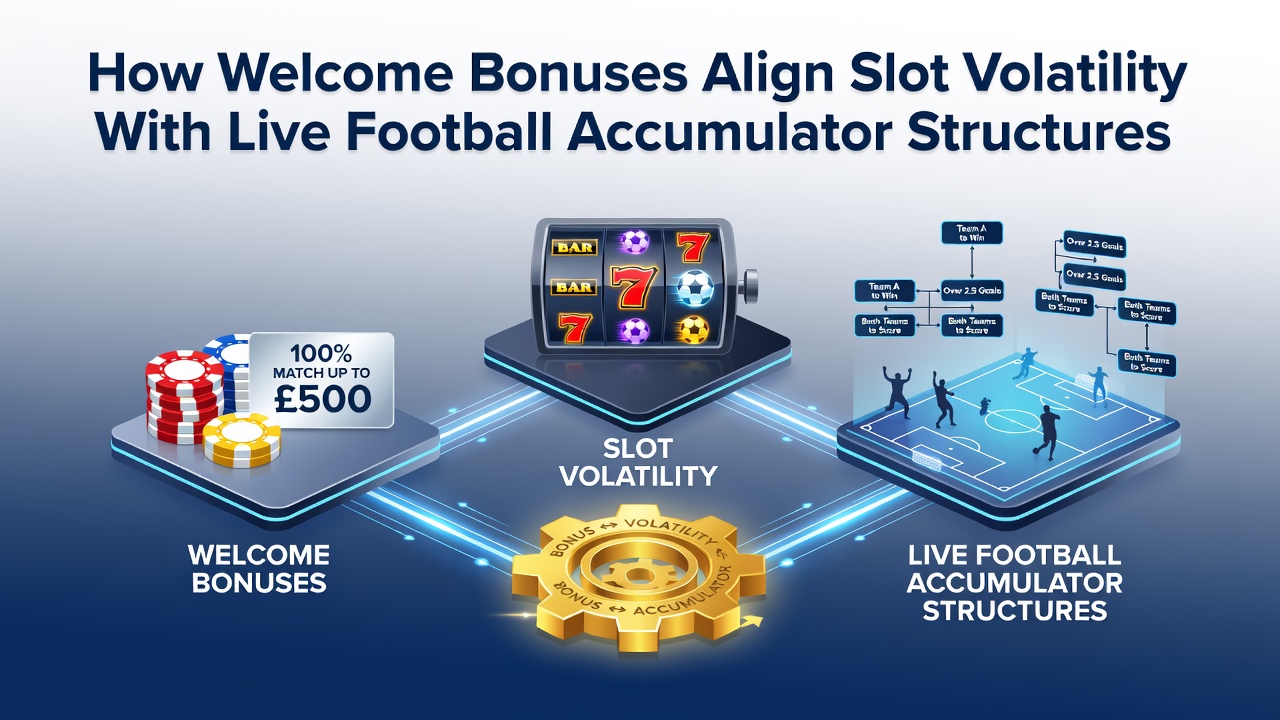
Operators structure welcome bonuses to require initial playthrough on slots whose volatility matches the risk profile of live football accumulators, and data from July 2026 shows several platforms adjusting these thresholds after mid-year performance reviews. High-volatility slots, defined by infrequent but larger payouts, receive bonus credit multipliers when paired with accumulator selections that carry four or more legs, while medium-volatility titles align with three-leg combinations. Regulatory filings from the Australian Communications and Media Authority indicate that bonus terms now list volatility bands alongside minimum odds requirements for accumulator eligibility.
Structural Components of the Alignment
Bonus agreements typically segment slot categories into low, medium, and high volatility tiers, then map each tier to accumulator payout thresholds that trigger bonus release; this mapping appears in the terms of service documents released by multiple European operators in spring 2026. A three-leg accumulator at combined odds above 4.0 might unlock 50 percent of the bonus when generated from medium-volatility slots, whereas the same accumulator built from high-volatility slots can release the full amount after fewer spins. Industry reports compiled by the European Gaming and Betting Association document that these tiered requirements reduce bonus abuse while maintaining player engagement across both verticals.
Live football accumulators update in real time during matches, and bonus systems adjust volatility weighting accordingly. When a match enters the final fifteen minutes and accumulator odds shift, the platform recalculates remaining wagering requirements based on the volatility tier already selected by the player. Observers note that this dynamic recalculation occurs through backend algorithms that reference both slot payout tables and live odds feeds simultaneously.
Technical Integration Points
Platform APIs connect slot game servers to sports betting engines so that bonus progress bars reflect both spin outcomes and accumulator results in a single interface. One integration tested in Canada during the 2025-2026 season allowed players to allocate portions of a welcome bonus to either slot sessions or accumulator stakes, with volatility coefficients applied automatically. Research published by the University of Nevada, Reno gaming laboratory examined similar systems and found that volatility-matched bonuses extended average session length by 18 percent compared with unaligned offers.
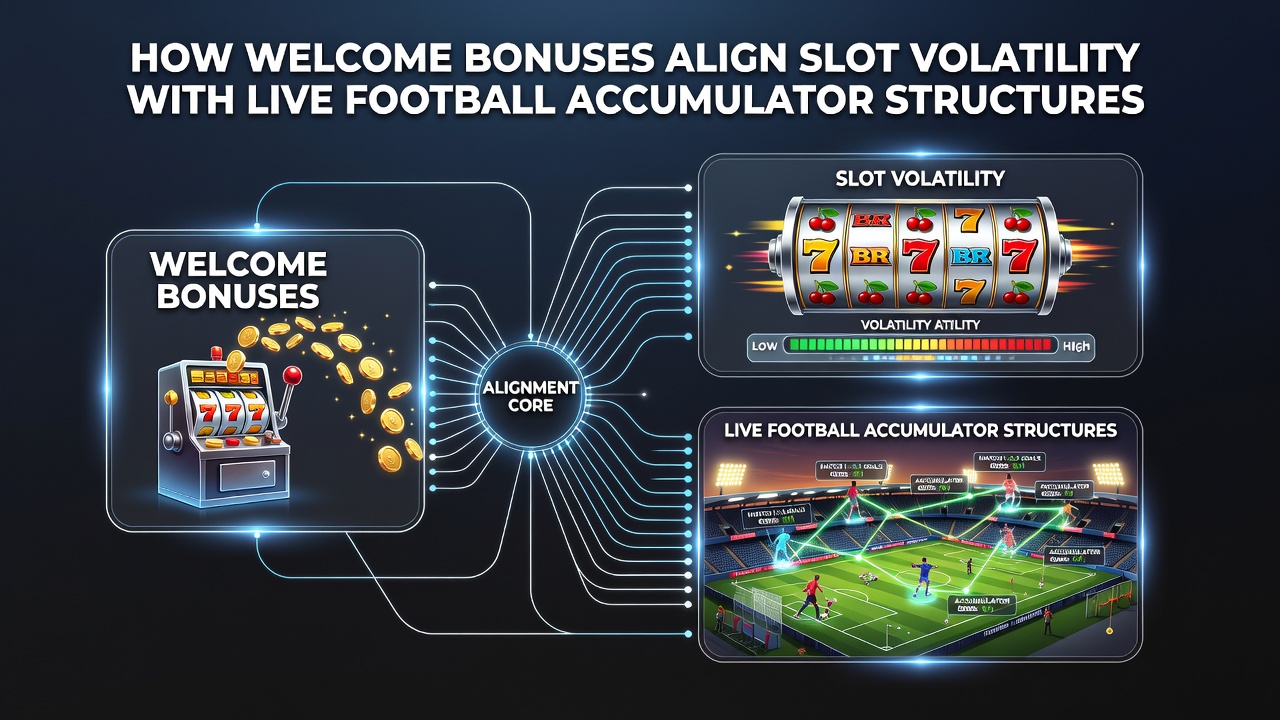
Players encounter filters that sort available slots by volatility level before the bonus activates, and these filters link directly to accumulator builders that flag compatible bet types. When a high-volatility slot selection occurs, the accumulator interface highlights higher-odds markets such as anytime goalscorers or correct scores. Data compiled by the Canadian Gaming Association in its quarterly review shows that platforms implementing these filters recorded a 12 percent increase in cross-product bonus redemptions during the first half of 2026.
Regulatory Context and Reporting
Authorities in several jurisdictions now request volatility disclosure within bonus advertising materials. The New Jersey Division of Gaming Enforcement updated its advertising guidelines in June 2026 to require clear statements on how slot volatility affects bonus release when accumulators are involved. Operators must publish examples showing a sample high-volatility slot sequence paired with a four-leg accumulator and the resulting bonus percentage released after each stage. Similar disclosure rules took effect in New South Wales, Australia, where the Independent Liquor and Gaming Authority began reviewing promotional copy for alignment language in July 2026.
Compliance teams audit the mathematical models that equate slot volatility coefficients with accumulator risk multipliers. External auditors verify that the stated payout frequencies match the volatility bands listed in player terms, and discrepancies trigger bonus recalculations for affected accounts. Figures released by the Gaming Policy and Enforcement Branch of British Columbia reveal that three operators revised their volatility tables after audits conducted between March and July 2026.
Player Journey Examples
Consider a player who deposits to claim a welcome bonus structured around high-volatility slots. The system assigns an initial wagering requirement of 35 times the bonus amount when the player selects a four-leg football accumulator at combined odds of 9.5. After completing 20 spins on the designated high-volatility title, the platform reduces the remaining requirement by 40 percent once the accumulator settles as a winner. This sequence appears in player activity logs reviewed by testing laboratories in multiple regions.
Another documented pattern involves players who begin with medium-volatility slots and later switch to accumulator markets. The bonus engine tracks cumulative return-to-player percentages across both products and applies a conversion factor when the player moves between them. Reports from the Gaming Laboratories International certification body confirm that such conversion factors undergo independent verification before deployment.
Conclusion
Operators continue to refine the technical links between welcome bonus structures, slot volatility tiers, and live football accumulator parameters. Regulatory bodies outside the United Kingdom maintain oversight through updated disclosure rules and periodic audits, while industry associations publish aggregated data on redemption patterns. The alignment mechanisms operate through integrated APIs, dynamic recalculation routines, and tiered wagering requirements that reflect both product types simultaneously.