Engagement Data Insights from Roulette Wheels Paired with Instant Sportsbook Updates

Operators track multiple data points when roulette wheels operate in the same digital spaces as real-time sportsbook feeds, and these combined environments generate distinct engagement patterns that differ from standalone casino or betting platforms. Session lengths often extend when users alternate between placing roulette bets and monitoring live sports markets, while bet frequency tends to rise during overlapping events such as major football matches that coincide with high-traffic roulette tables.
Core Metrics Collected in Hybrid Settings
Key indicators include cross-product navigation rates, average time spent per activity type, and conversion between roulette spins and sports wagers within single sessions. Data from integrated platforms shows users who start with roulette frequently check sportsbook updates within the first three minutes, whereas those entering via sports odds move toward table games at lower but consistent rates. These sequences matter because they help platforms adjust interface layouts and notification timing without disrupting flow.
Another layer involves device-level tracking, where mobile users exhibit shorter but more frequent switches between roulette and sportsbook sections compared with desktop sessions that maintain longer continuous focus on one product. Heatmap tools reveal that real-time score updates pull attention away from the roulette wheel graphic during critical game moments, yet many players return to spin again once the sports event stabilizes.
Tools and Methods for Measurement
Analytics suites employed in these environments combine traditional casino tracking with sportsbook event listeners, allowing operators to timestamp every action across both verticals. Session replay software captures the exact moment a user places a roulette chip after viewing updated odds, creating sequences that researchers later analyze for retention signals. A study conducted by researchers at the University of Nevada documented how synchronized events, such as a goal scored during a live match and simultaneous roulette bonuses, produce measurable spikes in overall platform activity.
Segmentation plays a central role here, with operators grouping users by primary entry point and then monitoring secondary engagement. Those arriving through sports markets show higher likelihood of exploring roulette during halftime periods, while roulette-first users demonstrate steadier activity across evening hours when multiple sports events run concurrently. These distinctions guide decisions on promotional timing and feature placement.
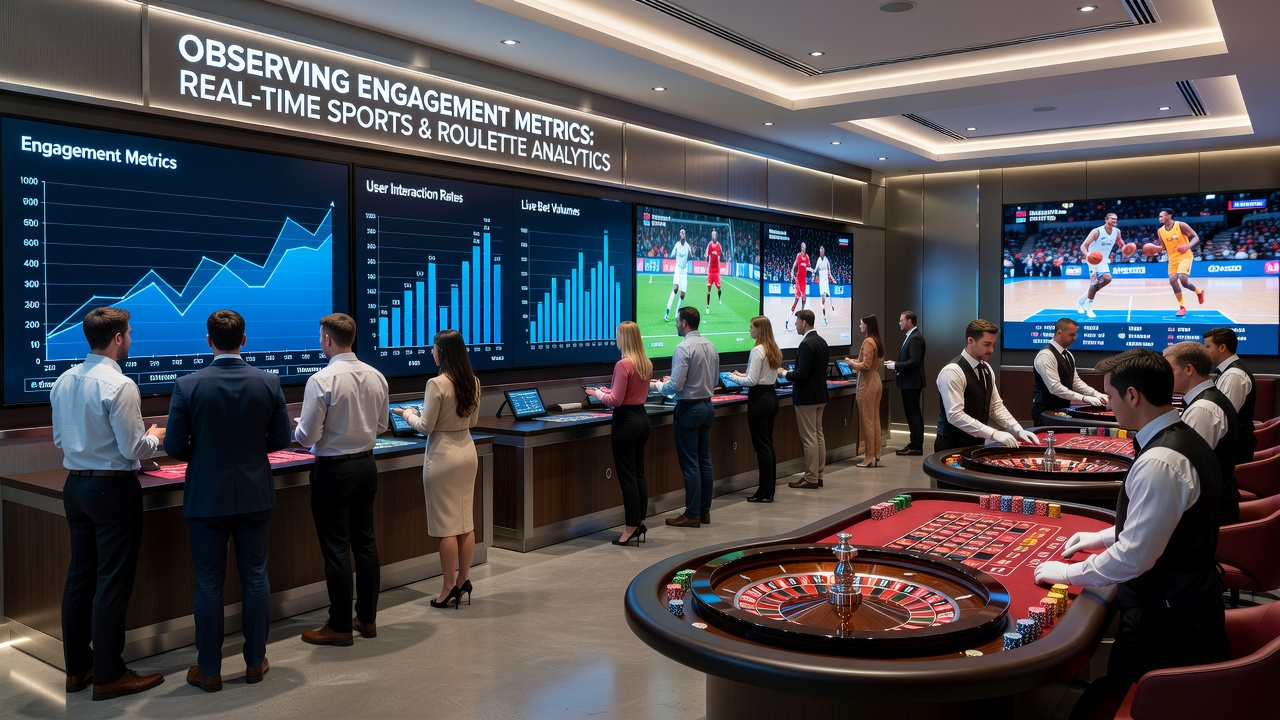
Observed Patterns in June 2026
During June 2026, platforms reported increased cross-engagement coinciding with the European football calendar and seasonal roulette tournaments. Users who placed both roulette and live sports bets within the same hour showed extended overall playtime compared with single-product participants, according to aggregated figures from several North American and Australian operators. Event-driven notifications, such as live odds changes paired with roulette result alerts, correlated with higher return visits the following day.
Geographic differences appear as well, with Canadian provincial data indicating stronger mobile crossover during evening sports broadcasts, whereas European markets display steadier desktop engagement across afternoon hours. These variations reflect local viewing habits rather than platform design alone, yet operators apply the insights when customizing regional interfaces.
Impact on Platform Design Decisions
Design teams use engagement metrics to determine where to position quick-switch buttons and shared balance displays, reducing friction when users move between roulette wheels and sportsbook sections. Testing conducted by the European Gaming and Betting Association found that streamlined navigation between the two products increased session continuity without raising overall spend per user. The same tests revealed that excessive pop-ups during critical roulette spins or live match moments led to quicker exits, prompting more restrained alert strategies.
Retention curves also shift in these hybrid spaces, with users who engage both products showing slower decay rates over a 30-day window. Platforms therefore prioritize features that encourage natural transitions, such as shared loyalty points earned from either roulette or sports activity, rather than forcing one product over the other.
Conclusion
Observing engagement metrics in environments where roulette wheels spin alongside real-time sportsbook updates provides operators with actionable sequences that standalone products cannot reveal. The combination of timestamped actions, segmented user paths, and event-driven spikes creates a clearer picture of how players allocate attention across both offerings. As these hybrid spaces continue to expand, the data collected shapes interface refinements and promotional approaches that align with documented behavior rather than assumptions.